Tackling the processing challenges of thin‑walled parts to improve the overall performance of UAVs
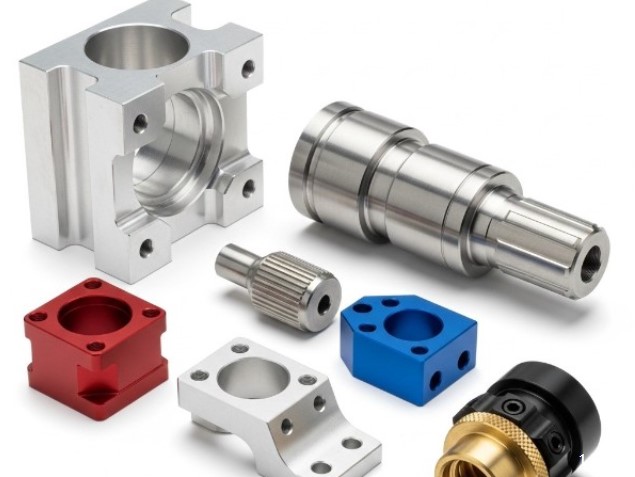
Structural components such as UAV empennages often face processing challenges including thin wall thickness, complex shapes and high susceptibility to deformation, which directly impair the aerodynamic efficiency and assembly accuracy of UAVs. By adopting advanced 5‑axis simultaneous CNC equipment, combined with customized vacuum fixtures and adaptive processing strategies, we effectively reduce processing stress and control the deformation of thin‑walled parts at the micron level. For critical mating dimensions, we perform 100% full‑dimension inspection using Zeiss coordinate measuring machines to ensure the tolerance of each product is kept within ±0.01 mm.
Enhancing the fatigue life of structural components to guarantee flight safety and stability
UAV empennages are subject to high‑frequency vibration and complex airflow impacts during flight, making threaded connections and key load‑bearing points prone to fatigue failure. To address such pain points, we strictly control the geometric tolerances and surface roughness of threaded holes during processing, and adopt form tap technology to boost the anti‑fatigue strength of threaded connections. For stress‑concentrated areas, multi‑axis simultaneous machining is applied to optimize transition fillets and mitigate stress concentration.